
February 1, 2025
TrainingCrosswind landings: techniques and radio calls explained
Crosswinds challenge every pilot. Learn the techniques, when to go around, and how to communicate wind-related concerns to ATC.
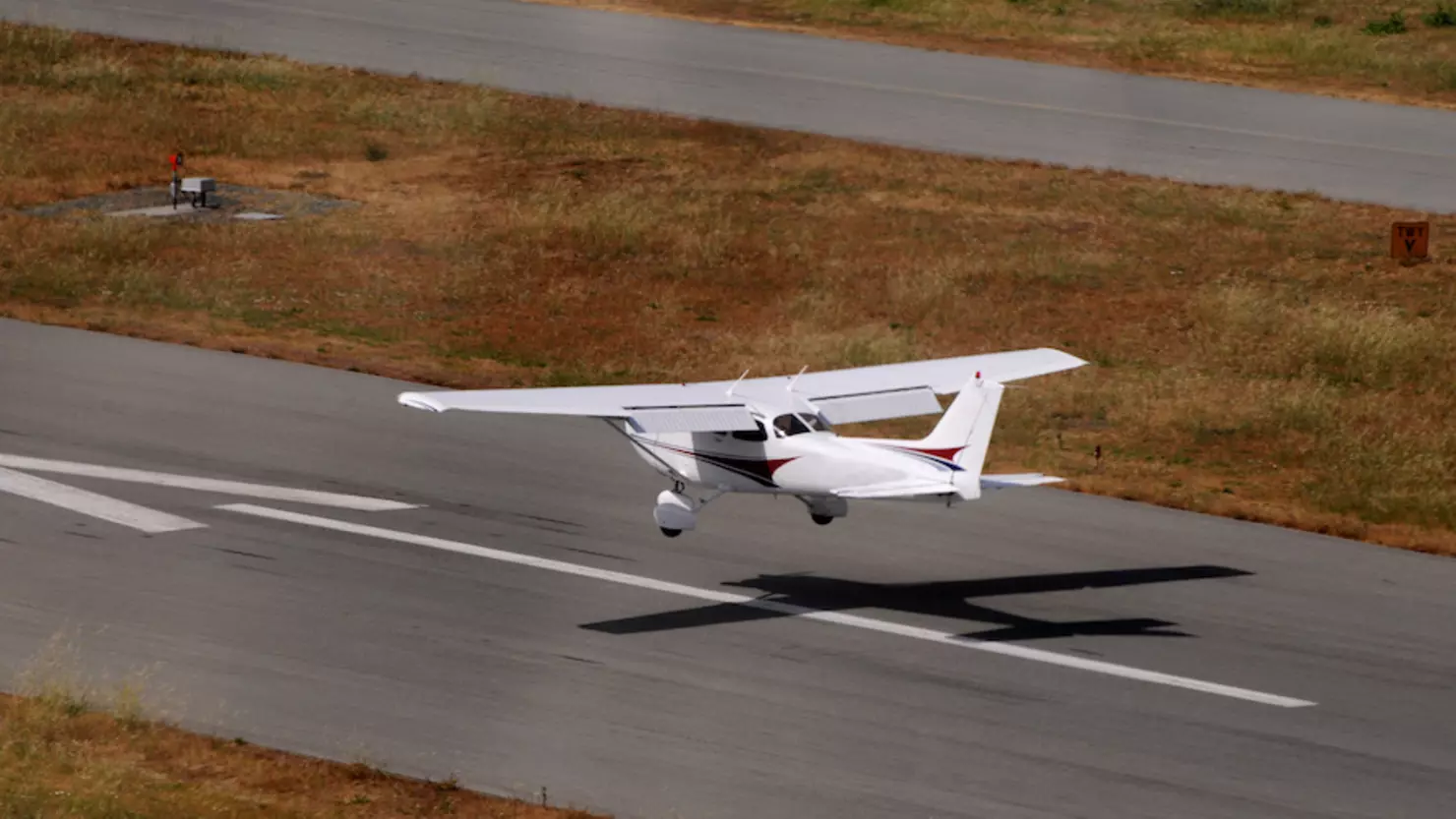
A complete guide covering everything you need to know. Estimated reading time: 10 min read.
Crosswind landings are one of the most challenging skills for student pilots to master. They require precise control, good judgment, and clear communication with ATC when conditions exceed your limits.
This guide covers both the flying techniques and the radio communications specific to crosswind situations.
Understanding crosswind components
Direct crosswind
Wind perpendicular to the runway (90°) is a direct crosswind.
Example: - Runway: 27 (270°) - Wind: 180° at 15 knots - Crosswind component: 15 knots
Crosswind component formula
Most student pilots use the crosswind component chart in the POH, but here's the quick mental math:
For 45° off runway heading: Crosswind = 70% of wind speed For 30° off runway heading: Crosswind = 50% of wind speed For 60° off runway heading: Crosswind = 85% of wind speed
Know your limits
Check your aircraft POH for: - Demonstrated crosswind component - Maximum crosswind component
Important: "Demonstrated" doesn't mean "maximum safe." It's just what was tested during certification.
Personal minimums
As a student or new pilot, set conservative personal minimums: - Solo: 5-8 knots crosswind max - Dual: 10-12 knots crosswind max - After PPL with experience: Gradually increase to aircraft limits
Crosswind landing techniques
Method 1: Crab approach with side-slip in flare
On final: - Point nose into wind (crab angle) - Track centerline - Maintain coordinated flight
Just before touchdown: - Kick out crab with rudder - Lower upwind wing with aileron - Touch down on upwind wheel first
Advantages: - Easier to maintain centerline - More comfortable for passengers - Less control input until the end
Method 2: Side-slip entire approach
From base to touchdown: - Lower upwind wing with aileron - Apply opposite rudder to track centerline - Hold this cross-control throughout - Touch down on upwind wheel first
Advantages: - Already in landing configuration - Less transition at touchdown - Good feel for the wing
Most pilots use a hybrid: crab on approach, transition to side-slip on short final.
Step-by-step crosswind landing
1. On downwind
Get wind information and calculate crosswind component.
2. Base to final turn
Expect wind drift. You may need a tighter turn if turning into the wind, or a wider turn if turning downwind.
3. Final approach
Establish crab: - Point nose into wind - Track centerline with ground track - Monitor drift - adjust crab angle as needed
4. Short final (200-100 feet)
Transition to side-slip: - Lower upwind wing (aileron into wind) - Apply opposite rudder to align with centerline - Maintain these cross-controls
5. Flare and touchdown
- Continue side-slip
- Flare normally
- Touch upwind main wheel first
- Then downwind wheel
- Then nose wheel
6. Rollout
Critical: Keep controls deflected! - Full aileron into the wind - Rudder to track centerline - Gradually increase aileron deflection as you slow
Don't relax controls until you've exited the runway.
Communicating with ATC about crosswinds
Getting wind information
At towered airports, Tower provides winds:
"Cessna 34 Bravo, runway 27, wind 200 at 15, gusts 22, cleared to land."
Calculate quickly: This is about 12-15 knot crosswind with gusts to 18 knots.
Requesting runway change
If crosswind exceeds your limits:
You: "Oakland Tower, Cessna 34 Bravo, request runway 21 due to crosswind."
Tower: "Cessna 34 Bravo, break off approach, fly heading 090, will sequence you for runway 21."
You: "Heading 090, sequence for runway 21, Cessna 34 Bravo."
Requesting go-around
If you're uncomfortable on approach:
You: "Oakland Tower, Cessna 34 Bravo is going around."
Tower: "Cessna 34 Bravo, roger, fly runway heading, climb and maintain 2,000."
You: "Runway heading, two thousand, Cessna 34 Bravo."
Remember: You don't need to explain why. "Going around" is sufficient. Safety first.
At non-towered airports
Announce your intentions:
"Livermore Traffic, Cessna 34 Bravo going around from runway 25 due to crosswind, will re-enter left downwind, Livermore."
This helps other traffic understand your plans.
When to go around
Definite go-around situations:
- Drift on final you can't correct
- Excessive bank (more than 10-15° in flare)
- Not aligned with centerline below 50 feet
- Floating or bouncing on touchdown
- Control limits reached and still drifting
The 50-foot check
At 50 feet AGL, ask yourself: - Am I aligned with the centerline? - Am I in control? - Am I comfortable?
If the answer to ANY is "no," go around.
Common crosswind mistakes
Mistake #1: Landing downwind
Some pilots request the "calmer" runway with a tailwind to avoid crosswind.
Don't do this. Tailwind landings are more dangerous than crosswinds.
Mistake #2: Relaxing controls after touchdown
The landing isn't over until you're clear of the runway.
Keep those controls deflected!
Mistake #3: Not using full deflection
Timid control inputs don't work in crosswinds.
Use full aileron into the wind during rollout.
Mistake #4: Drifting off centerline
Crosswind landings require tracking the centerline precisely.
Practice makes perfect.
Mistake #5: Flying beyond personal limits
There's no shame in diverting to an airport with a more favorable runway.
Communicating a diversion
If you decide crosswinds are too strong:
You: "Oakland Tower, Cessna 34 Bravo, request diversion to Hayward due to crosswind limits."
Tower: "Cessna 34 Bravo, approved as requested, contact NorCal Approach 120.9."
You: "NorCal 120.9, Cessna 34 Bravo."
Practice strategies
1. Start in light crosswinds
Don't wait for heavy crosswinds to practice. Build skills gradually.
2. Talk through it
Verbalize your corrections: "Left wing down, right rudder, hold centerline."
3. Fly with a CFI in challenging conditions
When winds are up, grab a CFI and practice.
4. Use simulators and apps
Apps like ATC One let you practice radio calls for go-arounds and runway changes before you need them in real flight.
5. Chair fly
Sit and practice control movements for crosswind correction.
Conclusion
Crosswind landings are a skill that takes time to develop. Every pilot—from student to ATP—continues refining this technique throughout their career.
Key takeaways: - Know your limits (aircraft and personal) - Use proper technique (crab then side-slip) - Don't hesitate to go around - Communicate clearly with ATC
With practice and good judgment, crosswind landings become just another routine part of flying.
Action item: On your next flight, specifically practice crosswind landings in 5-10 knot crosswinds with your CFI. Master the basics before attempting stronger winds.
Ready to practice what you just learned?
Reading is great, but real improvement comes from practice. ATC One lets you practice these exact scenarios with AI-powered voice recognition. Get instant feedback, build confidence, and master communications before your next flight.
About the author
Continue learning
 Training
ATC phraseology cheat sheet: the 20 most used phrases
Memorize these 20 essential phrases and you'll be ready for 90% of your communications. Includes pronunciation and real examples.
 Training
Traffic pattern communications: complete guide
Master communications for each leg of the pattern. Learn exactly what to say, when to say it, and how to stay safe in busy traffic.
 Training
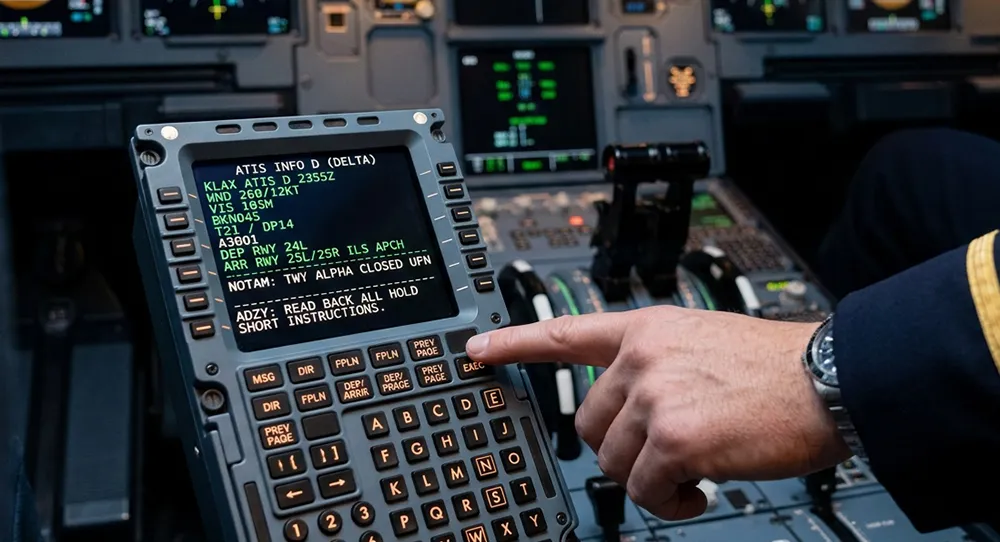
Understanding ATIS: complete breakdown for student pilots
ATIS can sound like gibberish at first. Learn to decode every section and know exactly what to write down.