
June 1, 2024
TrainingTraffic pattern communications: complete guide
Master communications for each leg of the pattern. Learn exactly what to say, when to say it, and how to stay safe in busy traffic.
A complete guide covering everything you need to know. Estimated reading time: 9 min read.
Pattern work is where student pilots spend countless hours perfecting landings. It's also where radio communications can make the difference between a safe flight and a dangerous one.
Every pilot in the pattern is counting on you to tell them where you are and what you're doing. This guide shows you exactly how.
Understanding the pattern
The traffic pattern has five legs: 1. Upwind (departure leg) 2. Crosswind 3. Downwind 4. Base 5. Final
Each leg requires a specific communication, and timing is critical.
Non-towered airport pattern calls
At a non-towered airport, you're responsible for all position reports on CTAF.
Inbound call (10 miles out) When: Approximately 10 miles from airport Call: "Livermore Traffic, Cessna 1234 Bravo, 10 miles north, 2,500, inbound for landing, Livermore."
Pattern entry When: Entering the pattern (45°, downwind, straight-in) Call: "Livermore Traffic, Cessna 1234 Bravo, entering left downwind, runway 25, Livermore."
Downwind When: Abeam the numbers (midpoint of runway) Call: "Livermore Traffic, Cessna 1234 Bravo, left downwind, runway 25, full stop, Livermore."
⚠️ Important: Critical: State your landing intention (full stop or touch-and-go)
Base When: Turning or established on base Call: "Livermore Traffic, Cessna 1234 Bravo, left base, runway 25, Livermore."
Final When: Established on final, 1-2 miles from runway Call: "Livermore Traffic, Cessna 1234 Bravo, final, runway 25, full stop, Livermore."
Clear of runway When: All parts of aircraft cross hold short line Call: "Livermore Traffic, Cessna 34 Bravo, clear of runway 25, Livermore."
Towered airport pattern
At towered airports, Tower controls the pattern. Your communications are simpler but still critical.
Requesting pattern work When: At run-up, ready for departure Call: "Oakland Tower, Cessna 1234 Bravo, runway 27, ready for departure, remaining in the pattern."
After takeoff Tower will typically say: "Cessna 34 Bravo, make left traffic, runway 27." Response: "Left traffic runway 27, Cessna 34 Bravo."
Downwind When: Midfield downwind Call: "Oakland Tower, Cessna 34 Bravo, left downwind, runway 27."
Landing clearance Tower will clear you: "Cessna 34 Bravo, runway 27, cleared to land" or "cleared touch-and-go." Response: "Cleared to land runway 27, Cessna 34 Bravo" or "Cleared touch-and-go runway 27, Cessna 34 Bravo."
After landing If full stop: "Oakland Tower, Cessna 34 Bravo, clear of runway 27."
If touch-and-go: No call needed - you're already cleared. Just fly the pattern.
Common pattern mistakes
❌ Too many calls Don't call every 30 seconds. Stick to the standard position reports.
❌ Forgetting to say "traffic" At non-towered, ALWAYS include "[Airport] Traffic" and end with "[Airport]."
❌ Wrong timing on downwind call Call when abeam the numbers, not when entering downwind.
❌ Not stating landing intention Always say "full stop" or "touch-and-go" on downwind and final.
❌ Talking on short final Focus on landing, not talking. Your final call should be 1-2 miles out.
Busy pattern strategies
Listen first Before making any call, listen to understand where other traffic is.
Be concise "Cessna 34 Bravo, left downwind 25, full stop" is better than a long transmission.
Visualize traffic As you hear calls, picture where each aircraft is relative to you.
Don't be silent If you haven't heard from someone in a while, make an extra position call to remind them you're there.
Practice tips
If you want to practice pattern communications before your next flight, apps like ATC One offer realistic pattern scenarios where you can practice each call with AI feedback. It's a great way to build muscle memory without the pressure of actual flight.
Conclusion
Pattern work communications aren't complicated, but they require precision and consistency. Every pilot in the pattern is counting on your calls to maintain situational awareness.
Practice these calls until they're automatic. Your safety and everyone else's depends on it.
Action item: Write out all five pattern calls for your home airport. Practice them 10 times out loud today.
Ready to practice what you just learned?
Reading is great, but real improvement comes from practice. ATC One lets you practice these exact scenarios with AI-powered voice recognition. Get instant feedback, build confidence, and master communications before your next flight.
About the author
Continue learning
 Training
ATC phraseology cheat sheet: the 20 most used phrases
Memorize these 20 essential phrases and you'll be ready for 90% of your communications. Includes pronunciation and real examples.
 Training
Understanding ATIS: complete breakdown for student pilots
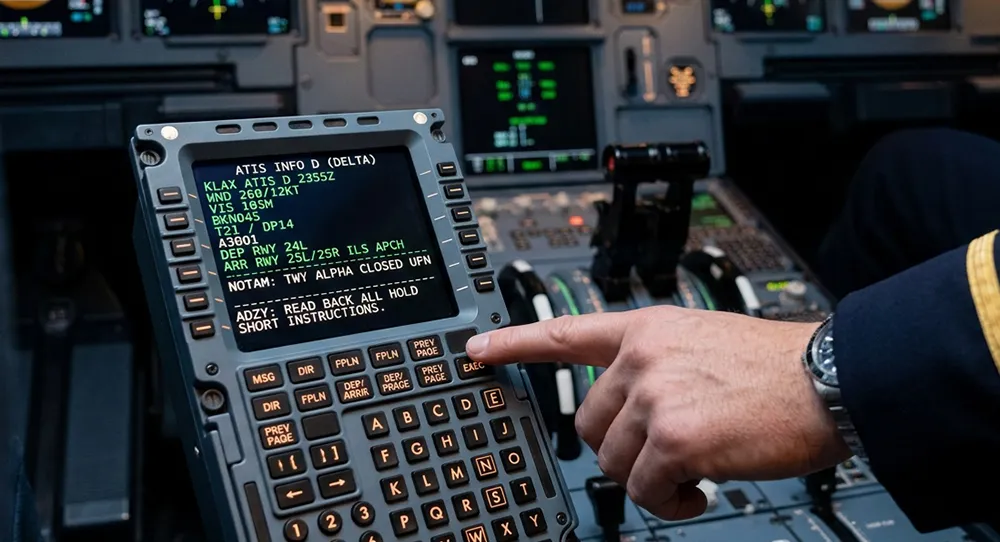
ATIS can sound like gibberish at first. Learn to decode every section and know exactly what to write down.
 Training
VFR flight following: complete guide for student pilots
Flight following provides extra safety and helps you navigate complex airspace. Learn exactly when, how, and why to request it.