
November 1, 2024
TrainingVFR flight following: complete guide for student pilots
Flight following provides extra safety and helps you navigate complex airspace. Learn exactly when, how, and why to request it.
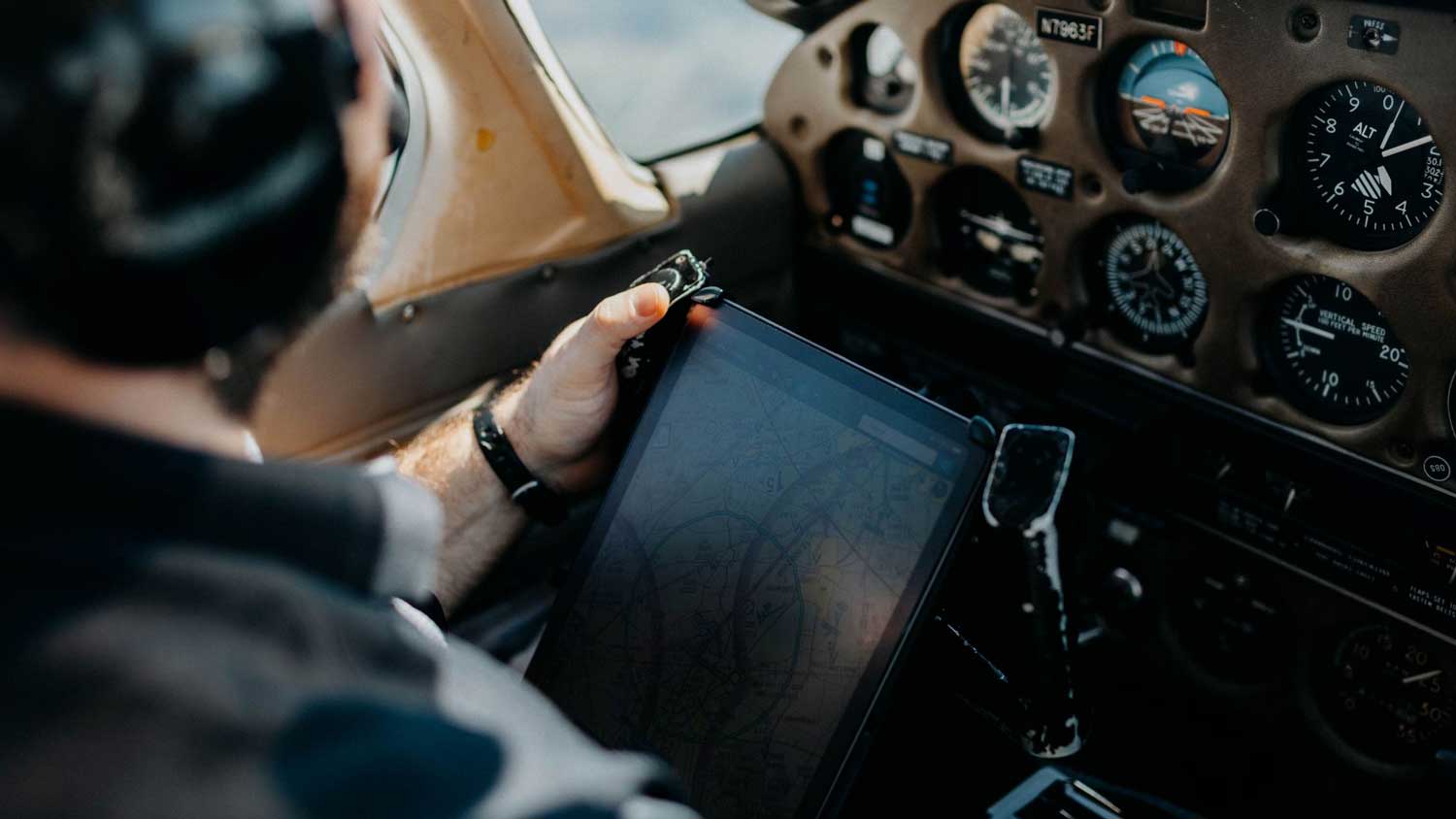
A complete guide covering everything you need to know. Estimated reading time: 9 min read.
Flight following is one of the most underutilized services available to VFR pilots. It's free, provides an extra layer of safety, and makes navigating complex airspace much easier.
Yet many student pilots are intimidated by it or don't understand how to request it. This guide removes that mystery.
What is flight following?
Flight following (officially called "VFR Traffic Advisories") is a service where ATC tracks your flight on radar and:
- Provides traffic alerts about nearby aircraft
- Warns you about restricted or special use airspace
- Can help if you become lost or have an emergency
- Simplifies transitions through busy airspace
Important: It's optional for VFR flights, but highly recommended.
Benefits of using flight following
1. Enhanced safety ATC sees traffic you might not and alerts you to potential conflicts.
2. Navigation assistance If you're unsure of your position, ATC knows exactly where you are.
3. Emergency support Already in the system if something goes wrong - no need to establish contact.
4. Airspace transitions Makes crossing Class B, C, or D airspace much simpler.
5. It's free No cost for the service, unlike flight plan filing requirements.
When to request flight following
Perfect situations: - Cross-country flights - Flying near busy terminal areas - Unfamiliar areas - Marginal weather conditions - Solo student flights (highly recommended) - Night flights
Less useful for: - Local pattern work - Very short flights (under 15nm) - Practice areas at small airports
How to request flight following
Step 1: Identify the correct facility
Near Class B or C: "[Airport] Approach" En route away from terminals: "[Region] Center"
Step 2: Initial call
Make it short and request permission to make a full request:
"Oakland Center, Cessna 1234 Bravo, request."
Step 3: Wait for response
ATC will respond: "Cessna 1234 Bravo, Oakland Center, go ahead."
Step 4: Make your full request
"Cessna 1234 Bravo is 10 miles east of Livermore, 4,500, VFR to Sacramento, request flight following."
Step 5: ATC response
ATC will either: - Accept: "Cessna 34 Bravo, squawk 4523" - Decline: "Cessna 34 Bravo, unable due to workload, remain clear of Class Bravo"
Complete communication example
You: "Oakland Center, Cessna 1234 Bravo, request."
ATC: "Cessna 1234 Bravo, Oakland Center, go ahead."
You: "Cessna 1234 Bravo is 15 miles southeast of Livermore at 5,500, VFR to Sacramento Executive, request flight following."
ATC: "Cessna 34 Bravo, squawk 4523 and ident."
You: "Squawk 4523, Cessna 34 Bravo."
ATC: "Cessna 34 Bravo, radar contact, 17 miles southeast of Livermore, altitude indicates 5,500, Oakland altimeter 30.12."
You: "Altimeter 30.12, Cessna 34 Bravo."
Now you're in the system!
What happens while on flight following
Traffic advisories
ATC will call out nearby traffic:
"Cessna 34 Bravo, traffic 2 o'clock, 3 miles, southbound, altitude indicates 5,000, type unknown."
Your response: "Looking for traffic, Cessna 34 Bravo."
If you spot it: "Traffic in sight, Cessna 34 Bravo." If you don't: No additional call needed.
Frequency changes
As you fly, ATC will hand you off to different controllers:
"Cessna 34 Bravo, contact Oakland Center 134.5."
Your response: "134.5, Cessna 34 Bravo."
Then on new frequency: "Oakland Center, Cessna 34 Bravo, 5,500."
Altitude changes
If you want to change altitude while on flight following:
You: "Oakland Center, Cessna 34 Bravo, request climb to 7,500."
ATC: "Cessna 34 Bravo, climb and maintain 7,500 at pilot's discretion."
You: "Seven thousand five hundred, Cessna 34 Bravo."
Terminating flight following
When to terminate:
- About 10-15 miles from your destination
- When ATC tells you "radar service terminated"
- If you want to end it early
How to terminate:
Option 1 - ATC initiates: "Cessna 34 Bravo, radar service terminated, squawk VFR, frequency change approved."
Your response: "Squawk VFR, Cessna 34 Bravo, good day."
Option 2 - You initiate: "Oakland Center, Cessna 34 Bravo, cancel flight following."
ATC: "Cessna 34 Bravo, radar service terminated, squawk VFR."
You: "Squawk VFR, Cessna 34 Bravo."
Common concerns
"I don't want to bother ATC"
ATC provides this service specifically to enhance safety. They're not "bothered" - it's their job.
"What if they're too busy?"
If workload is high, ATC will say "unable." No problem - just continue VFR.
"I'm afraid I'll make mistakes"
Everyone makes mistakes. ATC will correct you. It's a learning experience.
"Do I have to follow all their instructions?"
As a VFR flight, you're still pilot in command. If you can't comply with a request, say "unable" and explain why.
Flight following vs flight plan
Flight following: - Radar service only - No search and rescue automatically triggered - Can be picked up en route - Easily terminated
VFR flight plan: - Filed with FSS, not ATC - Triggers search and rescue if overdue - Must be opened and closed - No radar service
Pro tip: Use both! File a flight plan for search and rescue, and use flight following for traffic advisories.
Tips for smooth flight following
1. Have your request ready
Write it down before calling: - Your position - Your altitude - Your destination
2. Know your transponder code
When ATC gives you a squawk, read it back and set it immediately.
3. Keep listening
Don't tune out thinking ATC will only call you. Listen to other traffic to build situational awareness.
4. Don't be afraid to ask questions
"Verify you want me to climb?" or "Say again the frequency?" are perfectly acceptable.
5. Practice on the ground
Apps like ATC One include flight following scenarios where you can practice requests and responses before doing it for real.
What if ATC says "unable"?
This happens when controllers are too busy. Don't take it personally.
Your response: "Understand, unable, Cessna 34 Bravo."
Then continue your VFR flight normally. You can try again later with a different facility or when workload decreases.
Conclusion
Flight following is an invaluable tool for VFR pilots. It enhances safety, provides peace of mind, and helps you navigate complex airspace.
The initial request might feel intimidating, but after doing it once or twice, it becomes second nature.
Action item: On your next cross-country, request flight following. Write out your request beforehand. You'll wonder why you ever flew without it.
Ready to practice what you just learned?
Reading is great, but real improvement comes from practice. ATC One lets you practice these exact scenarios with AI-powered voice recognition. Get instant feedback, build confidence, and master communications before your next flight.
About the author
Continue learning
 Training
ATC phraseology cheat sheet: the 20 most used phrases
Memorize these 20 essential phrases and you'll be ready for 90% of your communications. Includes pronunciation and real examples.
 Training
Traffic pattern communications: complete guide
Master communications for each leg of the pattern. Learn exactly what to say, when to say it, and how to stay safe in busy traffic.
 Training
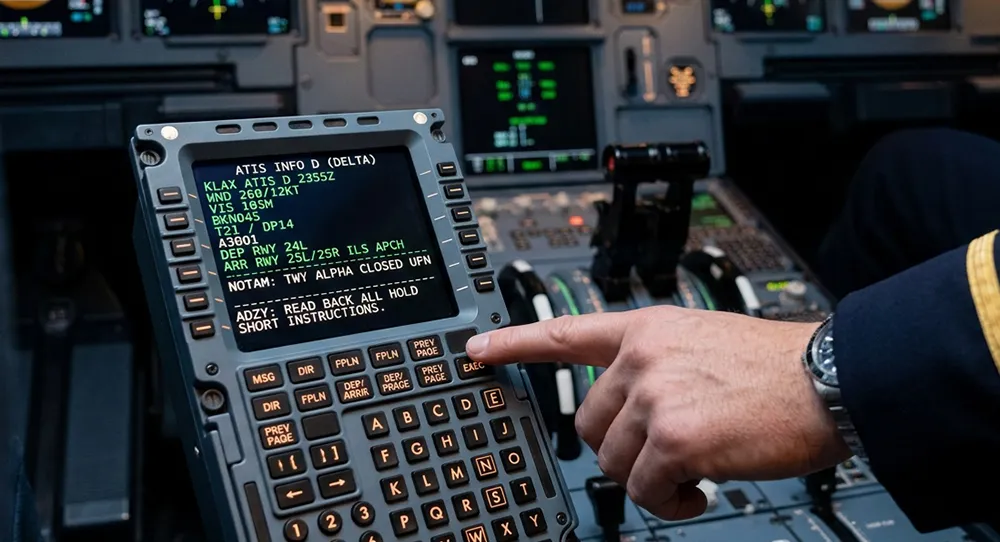
Understanding ATIS: complete breakdown for student pilots
ATIS can sound like gibberish at first. Learn to decode every section and know exactly what to write down.